Golden Gate National Parks Conservancy
Golden Gate National Parks Conservancy
An early draft asked a smaller question: “How do you get your news?” The panel now asks what it would mean to be cut off from current events, public opinion and the chance to share your own voice — a question a visitor might be able to engage with more by the end of the exhibit.
Golden Gate National Parks Conservancy
An early draft framed incarcerated reporters as writers covering life inside. But writers also cover the systems that run straight through the walls from outside: courts, legislatures, health care, immigration, the parole apparatus. The panel now says it plainly: many of these reporters write “from deep knowledge of the outside communities, policies, and conditions that shaped their lives before incarceration.”
Golden Gate National Parks Conservancy
Censorship is not a single act. In practice it is layered: written policy, administrative review, and a writer’s own calculation about what a sentence might cost them. The sidebar was rebuilt around those layers, and it now names the quietest one, where writers may “avoid subjects, ideas or criticisms that may bring scrutiny.”
Golden Gate National Parks Conservancy
An early draft located hope and change in the subject matter: articles on self-improvement, religious education and skills training, and the change they might inspire. But hope and change is also present in the process of writing and reporting. The panel now opens there: prison journalism gives incarcerated writers “a rare form of authorship… to examine their own lives, challenge stereotypes, and participate in the public record rather than only being written about by others.”
Golden Gate National Parks Conservancy
Sports and arts coverage originally read as the light end of a prison paper, the relief after the serious pages. Now, it is closer to the opposite: these subjects “are not merely ‘lighter’ features alongside hard news,” but how people build community, preserve memory and find meaning.
Golden Gate National Parks Conservancy
Golden Gate National Parks Conservancy
Beside the panels is a table of current prison newspapers.
“Colin was patient and thorough, turning in smart, well-organized copy and edits. The exhibit is dramatically better for his input.”
Next case study
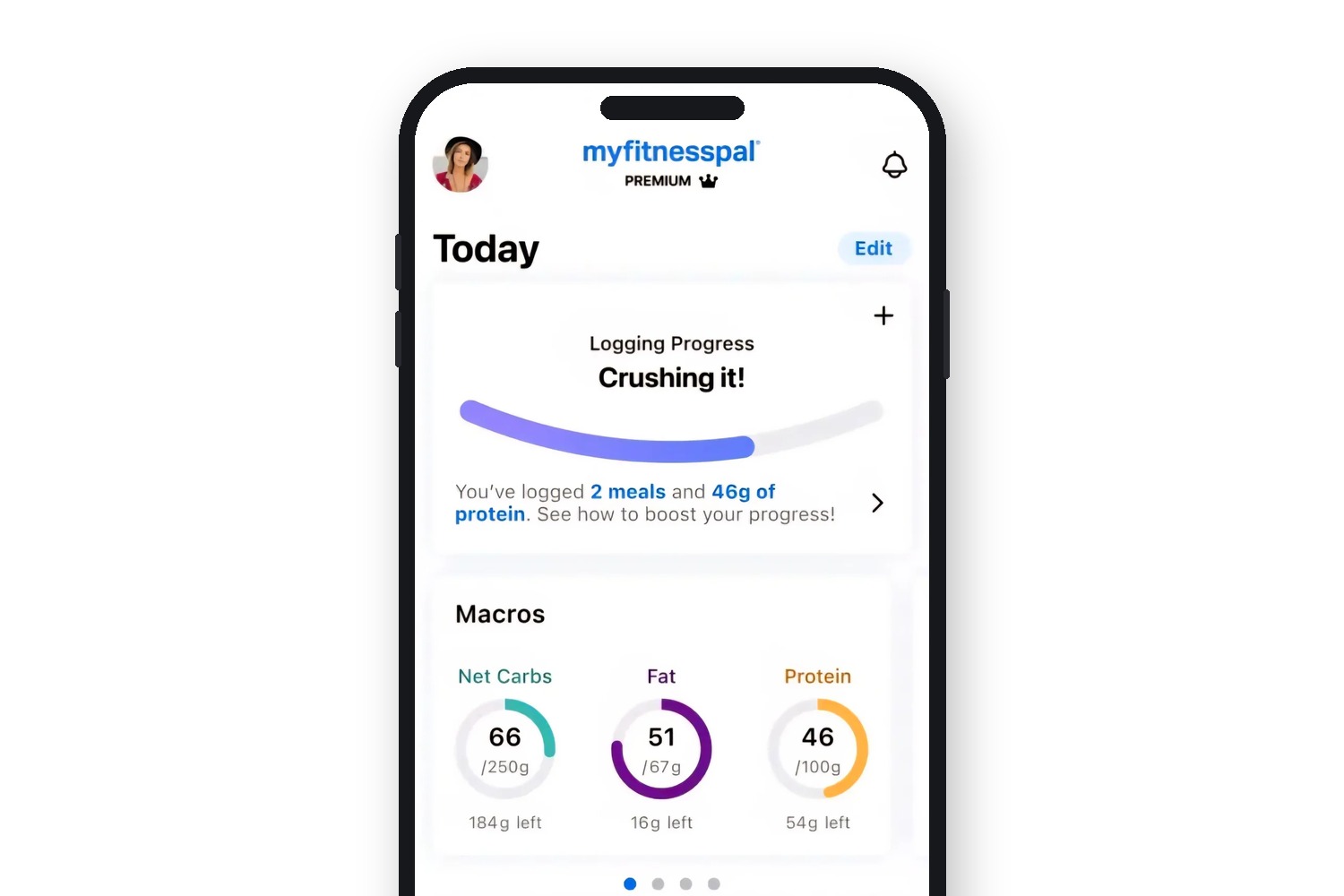
A journey-based messaging campaign that made a technical premium feature easier to understand — and start using.
Read the case study: MyFitnessPalContact
Working on something like this?
A few sentences are plenty. You’ll hear back within two business days.
Get in touch